Cheap carpet cleaning Ilford rates and what to avoid
If you're comparing carpet cleaning prices in Ilford, you've probably noticed the same thing many people do: the adverts can look very cheap, but the final bill is not always what you expected. Cheap carpet cleaning Ilford rates and what to avoid is really about more than the headline price. It's about understanding what a fair quote includes, spotting the tricks that make a bargain turn sour, and choosing a service that leaves your carpets clean without the drama.
Truth be told, most people do not want the cheapest possible clean. They want a decent job, no nasty surprises, and someone who turns up when they say they will. That's fair enough. In this guide, we'll look at how carpet cleaning pricing usually works in Ilford, what to watch out for, where savings are sensible, and what signs suggest you should walk away. You'll also find a practical checklist, a comparison table, and a few common mistakes that can cost more in the long run.
Why Cheap carpet cleaning Ilford rates and what to avoid Matters
Carpets take a beating in real homes and workplaces. Mud from a wet school run, pet smells, drink spills, hallway grit, and everyday foot traffic all build up. In a busy area like Ilford, where people often live in flats, terraced homes, or shared spaces, carpets can also pick up more dust and wear than you might think.
That is why price alone can be misleading. A very low rate may look appealing at first glance, but it can hide weak equipment, rushed work, add-on charges, or poor stain treatment. On the other hand, a more thoughtful quote may include pre-treatment, proper extraction, and a realistic drying time. One is cheap. The other is actually value.
It matters because the wrong choice can lead to:
- stains reappearing after drying
- over-wetting and long drying times
- bad smells being masked instead of removed
- fibre damage from unsuitable chemicals
- extra charges that were never explained up front
That last one is the sting in the tail. Nobody likes a quote that becomes a moving target.
If you're comparing services and want to understand what a transparent cleaning business should communicate, it helps to look at pages like pricing and quotes and the company's terms and conditions. Those pages often tell you more than the headline advert ever will.
How Cheap carpet cleaning Ilford rates and what to avoid Works
Most carpet cleaning rates are built from a few moving parts: room size, carpet condition, cleaning method, stain level, access, and whether you need extras like pet odour removal or stain protection. The process itself can be straightforward, but only if the cleaner explains what's included.
In practical terms, a proper visit usually follows this pattern:
- Inspection - the cleaner checks fibre type, condition, stains, and any delicate areas.
- Pre-treatment - traffic lanes and marks are treated before the main clean.
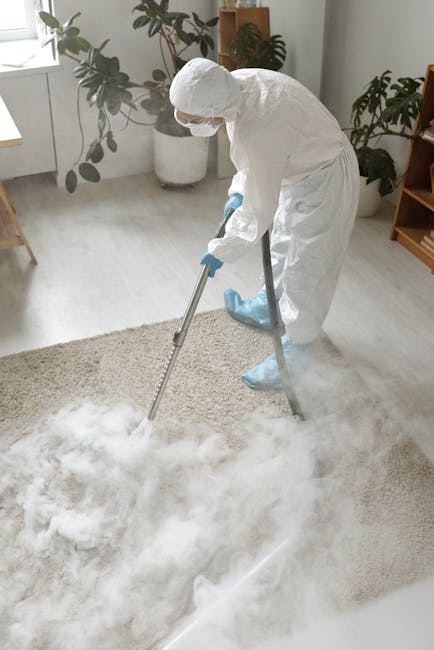
- Cleaning method - often hot water extraction, sometimes called steam carpet cleaning, or a lower-moisture method depending on the carpet.
- Agitation or dwell time - soil needs time to loosen; magic doesn't quite happen in sixty seconds.
- Extraction - dirt, cleaning solution, and moisture are removed as much as possible.
- Final check - the technician checks for remaining marks, smell, and drying advice.
Cheap quotes often fail at step one or two. They jump straight to a price, skip the inspection, and then change the story when they arrive. Sometimes the "rate" is only for a tiny area or a very light surface clean. If you have stair runners, pet staining, or an old wool carpet, the actual job can be very different.
The better way to judge a quote is to ask what the price includes, what counts as an extra, and what happens if the carpet needs more than one treatment. A transparent business should be able to explain this in normal language, not jargon.
Key Benefits and Practical Advantages
Choosing carefully is not only about avoiding a bad experience. Done well, a reasonably priced carpet clean can genuinely improve the home. The benefits are practical, not flashy.
- Cleaner appearance: rooms feel fresher almost immediately, especially in hallways and lounges.
- Better smell: removing embedded grime often helps more than using fragrance sprays.
- Longer carpet life: regular soil removal reduces fibre abrasion.
- Better value than replacing carpet: a good clean can delay costly replacement.
- Healthier-feeling rooms: dust, crumbs, and allergens are reduced, which many households notice, especially in busy homes.
- More predictable budgeting: when the rate is clear, you can plan rather than gamble.
There's also a quieter benefit: peace of mind. If you've ever had a cleaner arrive, walk around the room, and immediately start inventing extra charges, you'll know what I mean. A reliable, fairly priced service reduces that tension.
Expert summary: the cheapest quote is rarely the best deal if it does not include pre-treatment, proper extraction, clear stain pricing, and a realistic drying expectation. A fair quote is usually the one that explains itself clearly.
Who This Is For and When It Makes Sense
Cheap carpet cleaning in Ilford can make sense for a lot of people, but not all situations are equal. Sometimes you just need a straightforward refresh. Other times you need a more specialist clean and should not chase the lowest number in the room.
This topic is especially relevant if you are:
- a tenant wanting the carpets tidied before moving out
- a landlord preparing a property for the next occupant
- a homeowner dealing with everyday spills and general wear
- a pet owner tackling smell, hair, or accident marks
- a busy household that wants a periodic deep clean without overspending
- a small office or rental property manager comparing recurring maintenance costs
It makes less sense to choose the cheapest option if the carpet is delicate, heavily stained, or fitted in a property where access is awkward. For example, if a flat is on an upper floor and parking is tight, the time and setup involved can affect the price. That doesn't mean the quote should be inflated. It just means the job is more than a quick in-and-out clean.
If your household also needs related work, it can sometimes be efficient to coordinate services. A home with tired upholstery, for example, may benefit from a broader clean rather than tackling one item at a time. You may also find useful information on domestic cleaning or one-off cleaning if you're trying to bundle tasks sensibly.
Step-by-Step Guidance
If you want to compare cheap carpet cleaning rates properly, don't start with the lowest price. Start with the questions. A few sensible checks can save you a lot of hassle later.
1. Describe the carpet honestly
Say what the room is used for, how old the carpet is, whether there are pets, and whether the stains are fresh or old. A cleaner cannot price fairly if you leave out the hard bits. Old coffee marks and pet odours need different treatment from dust and light soil.
2. Ask what is included
Does the price cover vacuuming, pre-spray, stain treatment, and extraction? Is deodorising extra? Are hallway and stairs priced separately? A low headline rate often depends on a very narrow definition of "clean".
3. Confirm the cleaning method
Most domestic carpets respond well to hot water extraction, while some delicate fibres may need a lower-moisture or specialist method. If the company cannot explain the method in plain English, that is a small warning sign.
4. Check the drying expectations
Drying time varies by fibre, weather, ventilation, and the amount of moisture used. A cleaner who promises "dry in an hour" for every carpet is probably oversimplifying. In real life, that can be optimistic at best.
5. Look for clarity on extras
Stain removal, pet odour treatment, heavy traffic lane treatment, and furniture moving are all common extras. That doesn't make them bad. The problem is when they appear on the invoice without warning.
6. Compare value, not just cost
A slightly higher quote may be better if it includes insurance, proper equipment, and a more careful process. Value is what you get for the money, not just the number itself.
7. Keep a short record
Save the quote, the booking details, and any special notes. If there is a dispute later, you will be glad you did. Boring admin, yes. Useful? Very.
Expert Tips for Better Results
A few small choices can noticeably improve the result, even before the cleaner arrives. These are the kinds of things people often skip, then wonder why the final outcome is patchy.
- Vacuum first if you can. Loose grit can interfere with stain treatment and slow the job down.
- Point out specific marks. The cleaner may not notice a hidden spill near the sofa or under a table edge.
- Open windows where possible. Better airflow usually helps drying, though weather and security matter.
- Move light items in advance. It saves time and reduces the chance of something getting knocked.
- Don't overdo DIY stain removal. Scrubbing can spread the stain or damage the pile. A small mistake here can become a permanent little souvenir.
- Ask about aftercare. Walking on the carpet too soon, or putting furniture back too early, can leave marks.
One practical observation: in homes with pets, odour treatment tends to work better when the cleaner knows exactly where the problem is. A dog may have had the odd accident in the same corner for months. You can smell it when the room warms up, especially in the afternoon. That sort of detail matters.
Also, be realistic about miracle claims. If a carpet is badly worn, no cleaner can make it new again. A good cleaner can improve it a lot, but not rewrite history. That honesty is a good sign, by the way.
Common Mistakes to Avoid
Here's where many people go wrong. The mistakes are usually small, but the outcome can be annoyingly expensive.
- Choosing on price alone: the cheapest quote can hide weak workmanship or a bait-and-switch structure.
- Not asking about add-ons: pet stains, stain protection, or stairs can raise the bill fast.
- Ignoring reviews or service details: even a low-cost clean should look organised and clear, not vague.
- Booking without checking access: parking, lift access, and carrying equipment through a busy building all affect the job.
- Expecting the same method for every carpet: wool, synthetic, and delicate blends should not all be treated exactly the same.
- Using aggressive DIY chemicals beforehand: some products make professional cleaning harder, not easier.
Another common one is failing to ask what happens if a stain does not fully lift. Some stains are permanent or only partly responsive. If a company promises 100% removal across the board, that's the sort of line that should make you squint a bit.
And a small but important point: cheap should not mean careless. A low-cost service can still be professional, insured, and efficient. The issue is never the word cheap itself. It's the shortcuts that sometimes travel with it.
Tools, Resources and Recommendations
You do not need fancy kit to make a good decision. You just need a few simple tools for comparison and a basic idea of what a professional cleaner ought to use.
What a decent cleaner typically brings
- an inspection light or at least good visual checks
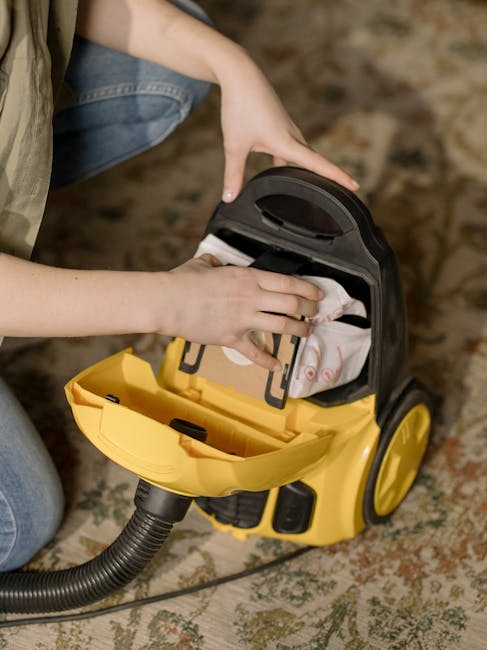
- a vacuum suitable for pre-clean preparation
- pre-spray and spot treatment products
- hot water extraction equipment or an appropriate alternative
- microfibre cloths and protective shoe covers where needed
- air movers or advice on ventilation in some cases
Useful things for you to have ready
- a rough room list
- photos of stubborn stains
- details of pets, smoke, or previous cleaning attempts
- access notes for flats or communal entrances
- a shortlist of questions about pricing and drying
If you are comparing services across a home or tenancy, it can help to understand related offerings too. For instance, end of tenancy cleaning can be relevant if the carpets are just one part of a move-out, while pet stain odour removal may matter more than a simple surface refresh in a pet household. If the property has rugs or upholstered furniture, the relevant pages on rug cleaning and upholstery cleaning may also help you plan properly.
Law, Compliance, Standards, or Best Practice
For most household carpet cleaning, the legal side is fairly light, but there are still sensible standards to expect. A reputable cleaner should be transparent about prices, respectful of your property, and careful with chemicals and waste. That is just good practice, really, though many people only notice its value when something goes wrong.
Good businesses normally have clear policies around insurance, safety, and complaints. If a cleaner uses strong products or handles wastewater incorrectly, that can become more than a simple inconvenience. It can affect carpets, flooring, and in some cases the building environment. In commercial settings, the expectations are often higher because there may be shared premises, building rules, or landlord requirements.
It is sensible to look for:
- public liability and safety cover where relevant
- clear chemical handling practices
- defined complaints steps if something is not right
- secure payment processes
- transparent policies for access, cancellations, and pricing
If you want to understand how a company handles the practical side, pages such as insurance and safety, health and safety policy, and payment and security can be useful. If something does go wrong, a visible complaints procedure is a good sign that the business takes accountability seriously.
On the environmental side, it is also reasonable to ask how wastewater, packaging, and product use are handled. Some businesses make a point of recycling and using more sustainable methods where possible, which may suit customers who care about that balance.
Options, Methods, or Comparison Table
Not every carpet needs the same approach. The best method depends on the fibre, the level of dirt, and how fast you need the room back in use. Here's a straightforward comparison.
| Method | Best for | Typical strengths | Watch out for |
|---|---|---|---|
| Hot water extraction | Most domestic carpets, heavier soil, general deep cleaning | Strong cleaning power, good for embedded dirt | May need longer drying if too much water is used |
| Low-moisture cleaning | Delicate carpets, quicker turnaround, lighter maintenance cleans | Faster drying, less risk of over-wetting | May not tackle very deep soil as aggressively |
| Spot treatment only | Small fresh spills or isolated stains | Low cost, quick response | Not a full clean; old stains may remain visible |
| Odour-focused treatment | Pet accidents, lingering smells, smoke-related issues | Targets smell as well as appearance | Can cost more and may need more than one pass |
If you are comparing cheap rates, the key is to match the method to the carpet, not the other way round. A very low price for the wrong method is no bargain at all. That's one of those lessons people only need to learn once, thankfully.
Case Study or Real-World Example
A typical Ilford example would be a two-bedroom flat with a living room carpet, a short hallway, and stairs. The owner wants the place fresh for new tenants. The first quote looks attractive because it is very low, but it only covers a basic surface clean. Stain treatment, stairs, and pet odour are all extra.
On inspection, the carpet shows wear from the hallway, a couple of dark spots near the sofa, and a faint smell in one corner from a previous pet. If the cleaner rushes the job, the stains may fade but not lift fully, and the smell may return once the carpet dries. If the cleaner explains the issues properly and prices the extras clearly, the owner can choose based on facts rather than hope.
What usually works better in this scenario? A clearer quote, the right method, and a bit of preparation from the customer. Moving small furniture, vacuuming first, and allowing decent drying time can make a noticeable difference. Nothing dramatic. Just sensible, steady work.
In our experience, that kind of job is where cheap and cheerful can become cheap and annoying very quickly if the details are ignored. But with a proper quote, it can still be excellent value.
Practical Checklist
Before you book, run through this list. It takes a few minutes and can save a lot of regret.
- Have I described the carpet condition honestly?
- Do I know exactly what the quoted price includes?
- Have I asked about stain treatment and odour removal?
- Do I understand the cleaning method being used?
- Have I checked whether stairs, hallways, or furniture moving cost extra?
- Is drying time realistic for the method and season?
- Do I know how to prepare the room beforehand?
- Has the company explained insurance, safety, and complaints clearly?
- Have I kept the quote and booking details?
- Does the offer feel transparent, not rushed or pushy?
If you can tick most of those boxes, you are in a much stronger position. Simple, but effective.
Conclusion
Cheap carpet cleaning Ilford rates and what to avoid really comes down to one big idea: a low price only helps if the service is honest, suitable, and properly explained. The smartest buyers do not chase the absolute lowest number. They compare what is included, ask about extras, and choose the cleaner who seems clear, careful, and realistic.
That approach protects your home, your budget, and your time. It also tends to lead to a better finish, which is usually the whole point. A carpet clean should leave the room looking brighter and feeling fresher, not leave you decoding an invoice after the fact.
If you want the easiest next step, compare pricing carefully, ask the awkward questions upfront, and trust the company that gives straight answers. That simple habit goes a long way.
Get a free quote today and see how much you can save.
And if nothing else, remember this: the best deal is the one that still feels good the next morning when the carpet has dried and the room smells clean.
Frequently Asked Questions
What counts as a cheap carpet cleaning rate in Ilford?
Cheap usually means a lower-than-average starting price for a room or basic service, but the real question is what the rate includes. A fair price should still cover sensible preparation, the agreed method, and clear communication about extras.
Why do some carpet cleaning quotes look very low at first?
Often the headline price covers only a basic surface clean or a limited area. Extras like stain treatment, stairs, pet odour removal, or larger rooms can be added later. That's why reading the detail matters more than the first number you see.
Is the cheapest carpet cleaner ever the best choice?
Sometimes, but not usually by accident. The best low-priced option is one that is still transparent, well-equipped, and realistic about what it can do. If the price is low because the service is stripped back to the bone, that's not great value.
What should be included in a proper carpet cleaning quote?
A proper quote should explain the cleaning method, what areas are covered, whether pre-treatment is included, and what counts as an extra. It should also mention any assumptions about access, parking, furniture moving, or heavily stained areas.
How can I avoid hidden carpet cleaning charges?
Ask about extras before booking, especially stain treatment, deodorising, stairs, and furniture moving. If the company is vague, ask for the price in writing. A clear quote before the visit is much easier than a disagreement after the carpet is already wet.
Is steam carpet cleaning always the right option?
Not always. Hot water extraction is excellent for many carpets, but delicate fibres or quick-turnaround jobs may need a different approach. The best method depends on the carpet, its condition, and how much drying time you can allow.
How long should carpet cleaning take to dry?
Drying time varies with fibre type, ventilation, weather, and how much moisture is used. A cleaner who gives a guaranteed one-size-fits-all drying promise may be overselling it. A more careful estimate is usually more trustworthy.
Can cheap carpet cleaning remove old stains?
Sometimes it can improve them a lot, but old stains are never guaranteed to disappear fully. Some marks have changed the fibre permanently. A good cleaner should explain this honestly rather than promise a perfect result every time.
What should I avoid before the cleaner arrives?
Avoid scrubbing stains aggressively, using random strong chemicals, or leaving the room cluttered if you can help it. Those steps can make the job harder or push the stain deeper. Basic preparation is fine; chemical experiments, less so.
Do pet stains need special treatment?
Usually, yes. Pet accidents can affect both the look and the smell of a carpet, and they often need targeted treatment rather than a standard clean. If the issue is more than a surface mark, mention it early so the quote reflects the real job.
Should I choose a carpet cleaner based only on reviews?
Reviews help, but they should not be the only factor. Look at how the company explains pricing, safety, and complaints as well. A business can have good reviews and still be a poor fit if its quote structure is unclear for your situation.
What is the safest way to compare Ilford carpet cleaning prices?
Use a like-for-like comparison. Check the number of rooms, the method used, what extras are included, and whether the cleaner has explained any likely additional charges. That way you compare real value instead of misleading headline prices.