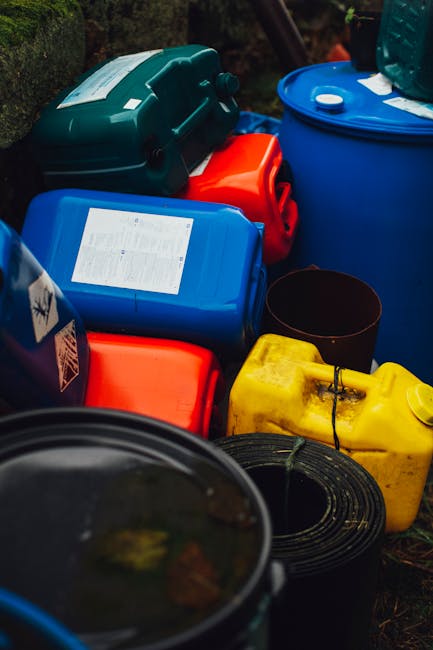
Redbridge Council fines for chemical disposal Ilford cleaners: what local cleaners need to know
If you clean homes, offices, carpets, or end-of-tenancy properties in Ilford, chemical disposal is one of those back-of-house jobs that can quietly turn into a very expensive mistake. A bad pour down a drain, an unlabelled bottle, or a skipped waste check can lead to trouble with Redbridge Council fines for chemical disposal Ilford cleaners and, frankly, nobody wants that sort of headache on a busy Tuesday morning.
This guide breaks down the practical side of staying safe, compliant, and organised. You will learn how fines can arise, what good disposal looks like in everyday cleaning work, which mistakes cause the most problems, and how to build habits that protect your business, your staff, and your customers. No scare tactics. Just the stuff that actually helps.
To keep things grounded, we will also look at the service choices and internal processes that support safer cleaning, such as a clear health and safety policy, responsible waste habits, and the kind of workmanship that reduces risk in the first place.
Why Redbridge Council fines for chemical disposal Ilford cleaners Matters
For cleaners, chemical disposal is not just an admin task tucked away in the van somewhere. It affects compliance, reputation, insurance, environmental responsibility, and sometimes contract retention. In a place like Ilford, where many cleaners work across domestic homes, shared buildings, landlord turnovers, and commercial spaces, the volume and variety of chemicals can build up fast.
The real issue is that cleaning chemicals are often treated as ordinary waste when they are not always ordinary at all. Some products can irritate skin or lungs, some can react badly if mixed, and some should never be poured away casually. A cleaner might think, "It's only a bit of solution left," but councils and waste rules do not always look at it that way. That little bit can still matter.
If you run a cleaning business, this matters because one mistake can affect more than the person who made it. It can affect the whole company. One client complaint, one spill, one improper disposal, and suddenly you are dealing with questions about training, records, safe storage, and whether your process is actually fit for purpose.
Expert summary: The safest approach is simple: treat chemical disposal as part of your cleaning system, not as a leftover task. Good businesses build it into training, stock control, and end-of-job routines so it becomes second nature.
There is also a trust angle. Customers may never see your waste handling process, but they can feel when a business is organised and careful. That care shows up in how you prep a job, how you leave a property, and how confidently you answer questions about safety. If you want that kind of trust to run through your operations, pages like about the business and recycling and sustainability help signal that the work is done responsibly, not carelessly.
How Redbridge Council fines for chemical disposal Ilford cleaners Works
In plain English, fines can come into play when waste or chemicals are disposed of in a way that breaches local expectations or wider environmental rules. That might involve pouring liquids into drains, mixing incompatible chemicals, leaving hazardous containers unsecured, failing to store waste properly, or using a disposal method that does not match the product type.
It is rarely just one dramatic incident. More often, it is a chain of small slippages. A bottle without a label. An old spray left in the van. A "we'll deal with it later" attitude after a deep clean. Then someone spots a problem, reports it, and the process starts to unravel. Bit by bit, that is how businesses get caught out.
For Ilford cleaners, the practical risk is that jobs are often fast-paced. One-off cleans, move-outs, oven cleans, and post-builders work can produce mixed waste streams. You might be using degreasers, descalers, disinfectants, stain removers, or carpet pre-sprays on the same day. That variety is exactly why a tidy system matters. The more moving parts, the easier it is for one to go wrong.
The council side of it is usually less mysterious than people expect. Enforcement and fines generally sit around the idea of preventing environmental harm, nuisance, and unsafe disposal. You do not need to know every line of every regulation to act sensibly. You do need a repeatable routine, some basic records, and a culture that does not shrug off waste handling.
A good benchmark is to make disposal decisions before the job starts, not after the product is already half-used. That is why many professional teams tie disposal planning into their commercial cleaning and domestic cleaning procedures, so the same standards apply whether the site is a family home or a managed office. Consistency, to be fair, saves a lot of drama.
Key Benefits and Practical Advantages
Doing chemical disposal properly is not only about avoiding fines. It creates a smoother, safer business. Here are the benefits that tend to show up in real life:
- Lower enforcement risk: You reduce the chance of complaints, investigations, and penalties.
- Better staff safety: Fewer spills, fewer incompatible mixes, and fewer irritated hands or eyes.
- Cleaner vehicles and storage areas: Less leakage in vans, cupboards, and stock rooms.
- Stronger customer confidence: People notice professionalism, even if they do not ask about waste disposal directly.
- Improved insurance readiness: Good processes help if an incident ever needs explaining.
- Less waste: Better stock use often means fewer unfinished products sitting around forever.
There is also a practical benefit that gets overlooked: clarity. When your team knows exactly what to do with leftover chemicals, empty containers, contaminated cloths, and mixed residues, jobs end more cleanly. Nobody is left staring at a half-full bucket wondering whether it goes down the sink, in general waste, or back to base. That hesitation is where mistakes creep in.
If your team covers specialist work like steam carpet cleaning, upholstery cleaning, or oven cleaning, the chemical load can be higher and more varied. A proper disposal routine helps keep those services efficient as well as compliant.
Who This Is For and When It Makes Sense
This guidance is for a few groups in particular:
- Independent cleaners working in Ilford and nearby areas
- Cleaning companies with drivers, vans, or multiple operatives
- Landlords and agents using external cleaners for turnovers
- Office cleaning teams handling scheduled product use
- Domestic cleaners who keep stock in clients' homes or in a central store
- Anyone handling stain removers, disinfectants, degreasers, solvents, or specialist solutions
It makes sense to tighten your process if any of the following sound familiar:
- You keep finding nearly empty bottles in the van.
- Different staff use different products for the same job.
- Leftover solutions are sometimes poured away without a fixed rule.
- You are not entirely sure which products need special handling.
- Clients sometimes ask what happens to waste after a clean.
In our experience, this is often where smaller operators feel the most pressure. Big companies may have forms and drawers full of procedures. Smaller teams are more likely to rely on memory. And memory is useful, sure, but it is not a waste plan.
If you want to align waste handling with everyday service delivery, it can help to think alongside your booking mix too. For example, recurring visits under regular cleaning create different chemical patterns from a one-off deep reset or end-of-tenancy cleaning. Different jobs, different waste habits.
Step-by-Step Guidance
Here is a practical way to build a cleaner chemical disposal routine. Nothing fancy. Just solid habits that stick.
- List the products you actually use. Include sprays, concentrates, stain removers, disinfectants, descalers, and any solvents.
- Check the label and safety information. The product instructions usually tell you how it should be stored, diluted, or disposed of. Do not wing it.
- Separate ordinary waste from chemical waste. Empty cardboard, intact bottles, contaminated cloths, and leftover liquid should not all be treated the same way.
- Store leftovers safely. Keep them sealed, upright, and clearly marked. No mystery bottles. Ever.
- Decide the disposal route before the job ends. Identify what goes back to base, what is reused, what is collected, and what must be handled as controlled waste.
- Train every cleaner the same way. A process only works if the newest team member can follow it without guesswork.
- Keep simple records. You do not need a novel. Just enough to show what was used, where it went, and who handled it.
- Review after unusual jobs. Post-builders work, heavy stain removal, or commercial sanitation jobs may need a different approach.
One small but useful trick: build a "last five minutes" routine into your jobs. That is the moment when cleaners are tired, the van is open, and people just want to get home. It is also the moment when the wrong bottle can get tossed in the wrong place. A quick checklist at the end helps, honestly.
For properties with heavier cleaning demands, such as those needing after builders cleaning, house cleaning, or office cleaning, it is worth separating day-to-day product waste from job-specific residues. That separation keeps decisions simpler.
Expert Tips for Better Results
Here are the little operational habits that make a surprisingly big difference.
- Use one master product list. If your team uses different notes in different phones, confusion creeps in quickly.
- Standardise dilution. Overmixing creates waste. Undermixing creates performance problems. Neither is ideal.
- Label decanted bottles immediately. Unlabelled spray bottles are where safety gets messy. Very messy.
- Separate food areas from chemical storage. It sounds obvious, but vans and cupboards get mixed up more often than people admit.
- Keep absorbent materials ready. Spills happen. A cloth and a plan beat panic every time.
- Match product choice to the surface. The wrong cleaner can create residue, damage, or extra disposal issues.
There is a balance here. You do not need to turn every job into a laboratory operation. But a little discipline goes a long way. Cleaners who know exactly what they are carrying tend to work faster, not slower. That surprises people sometimes.
When working on jobs involving pet stain odour removal or stain removal, keep an eye on stronger spot treatments. These tend to be the products most likely to be forgotten in a cupboard or treated casually after use. They deserve the same attention as the rest.
Common Mistakes to Avoid
Most disposal problems come from a handful of repeat mistakes. If you can avoid these, you are already ahead.
- Pouring liquid down a drain without checking suitability. This is the obvious one, but it still happens.
- Mixing chemicals together. Even small amounts can react badly.
- Leaving product bottles unlabeled. That creates risk for the next person who picks them up.
- Assuming "just a bit left" is harmless. Small volumes can still be regulated or problematic.
- Storing waste in open containers. Vapour, leaks, and knocks become more likely.
- Failing to train temporary or new staff. The weekend shift can be where things go sideways.
- Ignoring customer-specific site rules. Shared blocks, managed offices, and rented homes may have their own waste requirements.
A lot of these mistakes come from rushing, not malice. Let's face it, cleaners are often under time pressure. But pressure is exactly why a routine matters. When the room smells faintly of detergent, the bucket has been emptied, and the day has run long, automatic habits save you.
If you manage higher-traffic sites like common blocks or rental turnarounds, services such as communal area cleaning and move out cleaning often need tighter waste control than people expect. Shared spaces mean shared responsibility.
Tools, Resources and Recommendations
You do not need expensive software to improve chemical disposal. A few simple tools are usually enough.
- Product inventory sheet: a basic list of what you use, how often, and where it is stored.
- Label maker or waterproof labels: useful for decanted bottles and refill containers.
- Spill kit: gloves, absorbent material, bags, and clear instructions.
- Waste log: a simple record of what was disposed of and when.
- Site checklist: especially useful for mobile teams and multi-property cleaners.
- Staff briefing note: a one-page reminder covering what to do with leftovers and empty containers.
It also helps to keep your service paperwork clean and easy to find. Good internal documents, like terms and conditions and a clear pricing and quotes process, show that the business is organised overall, not just when the broom is out.
For teams that also want to reinforce wider trust, your insurance and safety information matters too. People like to know the basics are covered. It calms them down, and it calms you down as well.
Law, Compliance, Standards, or Best Practice
This is one of those areas where caution is wiser than bravado. Without pretending to give legal advice, the general UK expectation is clear: businesses must handle waste safely, avoid causing pollution or harm, and follow product and waste instructions properly. Councils can enforce local rules around nuisance, environmental harm, and unlawful disposal, and chemical waste often draws attention because it has the potential to cause problems quickly.
For cleaners, the best practice standard is straightforward:
- Follow the product label and any safety guidance.
- Do not assume all waste can go in the same bin.
- Keep containers secure and identifiable.
- Train staff on spill response and disposal choices.
- Use a documented process, even if it is simple.
Some businesses also benefit from having a recycling and sustainability approach that includes smarter purchasing, less product waste, and fewer single-use items. That does not remove legal duties, of course, but it often lowers risk in practical ways.
If you are unsure whether a particular residue, solvent, or commercial cleaner needs specialist handling, do not guess on the back of a mop bucket. Check the label, review the documentation, and if needed treat it as higher-risk waste until you are certain. That cautious mindset is dull, maybe, but it works.
Options, Methods, or Comparison Table
Different disposal approaches suit different situations. The table below gives a simple comparison for cleaning teams in Ilford.
| Method | Best for | Pros | Watch-outs |
|---|---|---|---|
| Reuse within approved dilution | Standard daily cleaning products | Reduces waste and stock spend | Only safe if instructions allow it |
| Return to base for controlled handling | Leftover sealed product | Centralises oversight and records | Needs a clear storage system |
| Specialist waste handling | Problematic or hazardous residues | Better compliance and safety | May require additional cost and planning |
| General waste disposal | Non-chemical packaging and dry items | Simple and familiar | Not suitable for every product or residue |
In practice, many businesses end up using a mix of these. That is normal. The real skill is knowing which one fits which product. A carpet detergent, a disinfectant, and a solvent spotter do not always follow the same path. That is where a short internal guide can save a lot of guesswork.
Case Study or Real-World Example
Here is a realistic example. A small Ilford cleaning team finishes a move-out job in the evening. The property includes carpet spotting, bathroom descaling, kitchen degreasing, and a quick final wipe-down. By the end, they have a few half-used bottles, one decanted spray, and some cloths that smell strongly of product.
In the old routine, everything would have gone into the van loosely, with the "we'll sort it later" promise that rarely survives the next morning. One bottle leaked once. The van smelled sharp for days. Not ideal.
After tightening the process, the team changed three things:
- They started marking all decanted bottles the moment they were filled.
- They created a separate container for product residues and contaminated disposables.
- They added a two-minute end-of-job check so the driver confirmed what was returning to base.
Nothing dramatic. But the result was smoother handovers, fewer odours in the van, and less uncertainty when staff changed shift. The team also felt more confident talking to landlords and tenants, which is not a small thing. Confidence matters.
That same approach helps across other job types too, whether you are handling one off cleaning, deep cleaning, or move in cleaning. The jobs differ, but the disposal discipline is much the same.
Practical Checklist
Use this before and after chemical-heavy jobs. It is simple on purpose.
- Have I checked the label and product guidance?
- Do I know whether this product can be reused, stored, or disposed of safely?
- Are all bottles clearly labelled?
- Are caps sealed and containers upright?
- Are incompatible products kept apart?
- Have spill materials been packed and ready?
- Have staff been told what to do with leftover product?
- Are contaminated cloths, pads, or wipes separated from ordinary waste?
- Has the waste log been updated if required?
- Has the van, cupboard, or store area been checked before leaving?
One line of advice, if you want it: do not make this more complicated than it needs to be. A short checklist that people actually use is better than a beautiful document nobody reads. Happens all the time, sadly.
And if your business handles specialist fabric care too, keeping things orderly across curtain cleaning, sofa cleaning, or mattress cleaning helps the same way: fewer surprises, fewer leftovers, fewer mistakes.
Conclusion
Redbridge Council fines for chemical disposal Ilford cleaners are really a reminder that cleaning is not only about visible results. It is also about the quiet systems behind the work: storage, labels, training, disposal, and judgment. Get those right, and the risk drops sharply. Get them wrong, and even small oversights can turn into awkward questions no one wants to answer.
The good news is that this is fixable. You do not need a huge compliance department. You need consistency, common sense, and a routine your team can follow on a tired Friday evening as easily as on a bright Monday morning. That is the difference between "hopefully fine" and properly under control.
Get a free quote today and see how much you can save.
Take the time to tighten the small stuff now, and your business will feel steadier for it. Cleaner, safer, calmer. That kind of peace of mind goes a long way.
Frequently Asked Questions
Can Ilford cleaners be fined for pouring cleaning chemicals down the drain?
Yes, it can happen if the disposal method breaches environmental or local waste rules. The safe assumption is that not every liquid is suitable for drain disposal, so always check product guidance first.
What counts as a chemical in a cleaning business?
In practice, it includes products such as degreasers, disinfectants, stain removers, descalers, solvents, and concentrated cleaning solutions. Some are mild, some are more problematic, and the label usually tells you a lot.
Do empty bottles need special disposal?
Not always, but it depends on whether the container is truly empty and whether residue remains. Bottles with leftover product should not be treated the same way as clean, dry packaging.
How can a cleaner avoid Redbridge Council fines for chemical disposal?
Use labelled containers, follow product instructions, separate waste types, train staff, and keep simple records. A repeatable process is far more reliable than trying to decide job by job.
Should all leftover cleaning fluid be reused?
No. Only reuse product if the manufacturer's instructions and your own process allow it. Some solutions degrade, contaminate easily, or become unsuitable after use.
What is the safest way to store chemicals between jobs?
Keep them sealed, upright, clearly labelled, and separated by type. Storage should also be away from food, heat, and anything that could tip or leak in transit.
Do small cleaning businesses need a disposal policy?
Yes, even a short one. A simple written process helps staff make the same decision each time, which reduces mistakes and makes training easier.
Are carpet cleaning chemicals treated differently from general cleaning products?
Sometimes, yes. Carpet pre-sprays, spotting agents, and odour treatments can be more concentrated or specific than routine surface products, so they deserve closer attention.
What should cleaners do after a chemical spill?
Follow the product's safety guidance, contain the spill if it is safe to do so, protect people nearby, and dispose of contaminated materials appropriately. If the spill is significant, treat it seriously and do not improvise.
Is it enough to just tell staff to be careful?
Not really. Careful is good, but written steps, labels, and a short checklist make careful behaviour repeatable. That is what protects a business when everyone is busy.
Can customers ask about chemical disposal practices?
Absolutely. And if they do, a clear answer builds trust. It is a good sign when a cleaning business can explain its process in plain language without stumbling over it.
Where do services like deep cleaning or end-of-tenancy cleaning create the most disposal risk?
Usually in jobs that involve several product types in one visit, such as heavy stain removal, bathroom descaling, kitchen degreasing, and final sanitising. More products mean more chances for confusion, so process matters more on those jobs.
